
frosted privacy glass
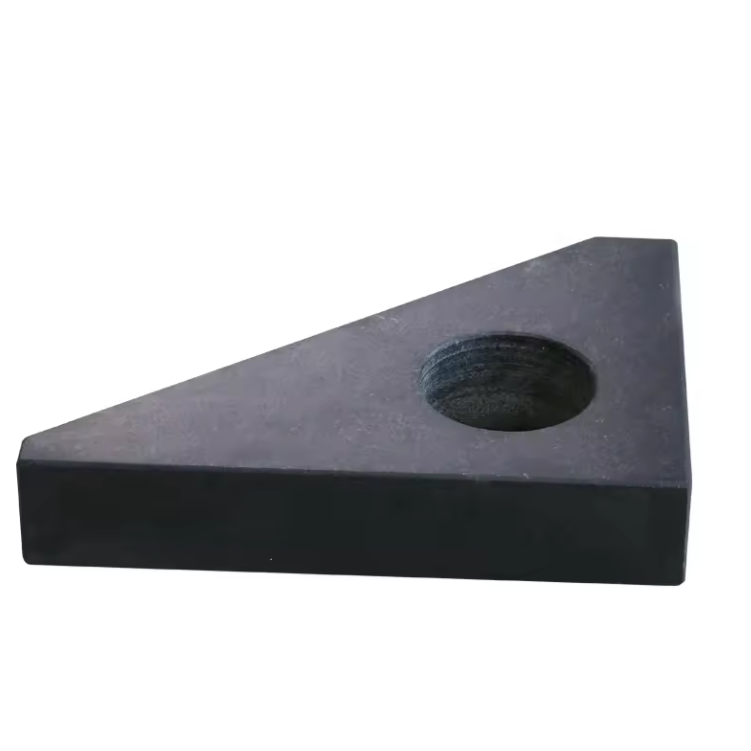
The Right Angle Metal Ruler An Essential Tool for Precision When it comes to precision in measurement, the right angle metal ruler stands out as a quintessential tool for various fields including architecture, engineering, construction, and graphic design. Whether you’re a professional in these areas or a DIY enthusiast, understanding the utility and importance of a right angle metal ruler can greatly enhance your projects. What is a Right Angle Metal Ruler? A right angle metal ruler is a sturdy, straight-edged tool typically made of stainless steel or aluminum, characterized by a 90-degree angle at one end. This tool is designed to offer both accuracy and durability, making it ideal for creating precise angles and measurements. Unlike plastic rulers, metal rulers provide additional benefits, such as resistance to wear and the ability to withstand demanding working environments. Key Features 1. Durable Material The metal construction of the ruler provides superior strength and longevity, ensuring it withstands daily use without bending or breaking, which is common with plastic alternatives. 2. Accuracy The straight edges of a metal ruler provide a precise reference line for cutting and measuring, reducing errors that can occur with less rigorous measuring tools. 3. Easy to Clean Metal rulers can be easily wiped down and maintained, ensuring they remain free of markings and debris that can affect measurements. 4. Versatility Right angle rulers are not only useful for measuring; they are also essential in drawing straight lines and angles, making them a versatile addition to any toolbox. 5. Graduation Marks Most right angle metal rulers come with measurement markings that are etched or printed onto the surface. These markings can be in metric, imperial, or both, catering to different preferences and needs of users. Applications right angle metal ruler The right angle metal ruler finds its application in a variety of scenarios - Construction and Carpentry Builders and carpenters use the ruler to ensure walls are straight, angles are correct, and cuts are precise, thereby guaranteeing structural integrity and aesthetic appeal. - Graphic Design Artists and designers rely on metal rulers to create clean, crisp lines in their sketches or digital layouts, which is essential for both hand-drawn work and computer-aided design. - Education In educational settings, particularly in mathematics and engineering, right angle metal rulers are used to teach principles of geometry and measurement, providing students with a tangible tool for their learning. - Crafting and Model Making Hobbyists and crafters utilize these rulers for model building, ensuring that their projects adhere to specified dimensions and designs accurately. Benefits of Using a Right Angle Metal Ruler One of the primary benefits of using a right angle metal ruler is the increased accuracy it provides. When working on projects that require precision, such as drafting blueprints or creating intricate designs, even the slightest mismeasurement can lead to significant errors. The right angle ensures that you maintain correct angles, leading to professional results. Additionally, the durability of metal rulers ensures they last for years, making them a worthwhile investment. With proper care, they can be an enduring tool in your collection. Another advantage is the ease of use. Many metal rulers feature a non-glare finish that allows for easy reading under various lighting conditions. Some models even come with built-in handles or grips for added comfort and control during use. Conclusion In conclusion, the right angle metal ruler is an indispensable tool for anyone involved in fields that require precision and accuracy. Whether you are working on a large construction project or a small craft, this tool can make a significant difference in the quality of your work. Its combination of durability, accuracy, and versatility make it a must-have in every toolbox. Embracing the right angle metal ruler as your go-to measuring tool will ultimately lead to cleaner, more accurate results across various projects, enhancing your skills and confidence in your craft. So, next time you reach for a measuring tool, consider the right angle metal ruler—your ally in precision.
about
frosted privacy glass
Various Types of Control Valves Control valves play a crucial role in various industrial processes by regulating the flow of fluids in a system. These valves can control parameters such as pressure, temperature, and flow rate, ensuring the efficiency and safety of the operation. There are several types of control valves, each designed for specific applications and operational requirements. 1. Globe Valves Globe valves are among the most common types of control valves. They are characterized by their spherical body shape and are excellent for throttling flow. The design allows for a significant degree of control over flow rates, making them ideal for applications where precise regulation is necessary. However, they can cause pressure drops, so their use may be limited in high-flow scenarios. 2. Ball Valves Ball valves are known for their quick operation and low-pressure drop characteristics. They consist of a spherical ball with a hole through the center, allowing for straightforward flow control. While traditional ball valves provide only two positions (open and closed), control ball valves have varied port configurations to allow for flow modulation. They are typically used in applications requiring fast on/off control, such as in the oil and gas industry. 3. Butterfly Valves various types of control valves Butterfly valves feature a rotating disk that can be turned to control flow. These valves are compact and lightweight, making them advantageous in systems with limited space. They allow for quick operation and can be used in large diameter pipes. However, butterfly valves are generally less effective for throttling applications compared to globe or ball valves. 4. Gate Valves Gate valves are designed for fully open or fully closed positions, meaning they are not ideal for flow regulation. However, they are used in applications where flow needs to be interrupted completely. Their design minimizes pressure drop, making them suitable for high-flow systems. 5. Diaphragm Valves Diaphragm valves use a flexible diaphragm to regulate fluid flow. They are particularly useful in applications involving corrosive fluids or slurries, as the diaphragm can provide a sealing mechanism that prevents leakage. Diaphragm valves are known for their ability to handle varying pressure, making them ideal for pharmaceutical and food processing industries. Conclusion Choosing the right type of control valve is essential for the efficient operation of any fluid handling system. Each valve type has its unique advantages and disadvantages, and the selection should be based on the specific requirements of the application, including pressure, temperature, flow rate, and the nature of the fluid involved. Understanding these various types of control valves can help engineers and operators make informed decisions for their industrial processes.
-

High quality industrial productsagement

High quality industrial products
View Details -

Meet the diverse needs of customers

Meet the diverse needs of customers
View Details -

Strict quality control

Strict quality control
View Details -

Top raw materials

Top raw materials
View Details -

Trusted supplier

Trusted supplier
View Details
Our application
news and information

vanne de porte
Les vannes sont des composants essentiels dans les systèmes de tuyauterie et de distribution de flui

Water Meter Shutdown Valve Installation and Maintenance Guide for Homeowners
Understanding Water Meter Shut-Off Valves Importance, Functionality, and Maintenance In residential
Vertical Y strainer efficient way to filter particles from fluid flow.
Vertical Y strainers are essential components in piping systems that are designed to remove unwanted
 English